Explanatory texts
Learn how to identify, understand, and write texts that explain factual information clearly and objectively.
1 What are Explanatory Texts?
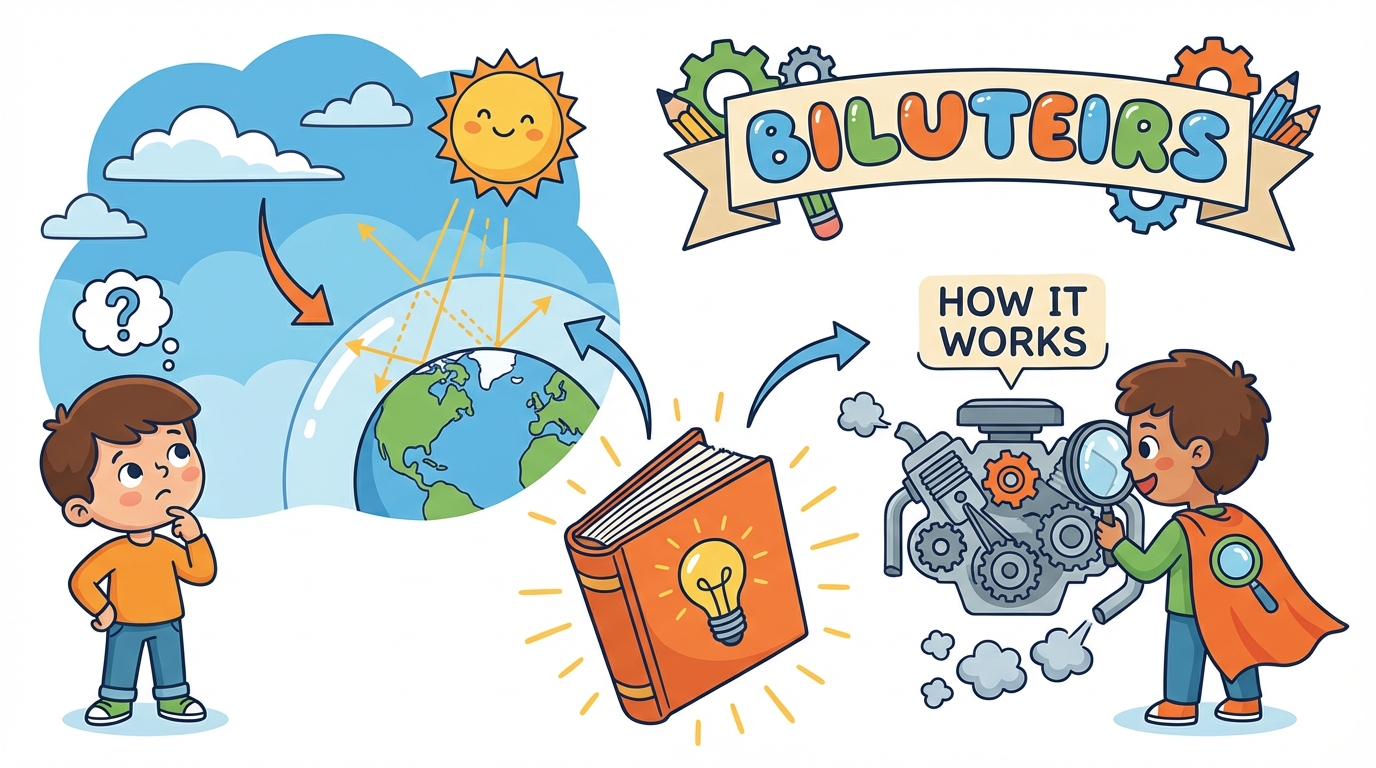
Have you ever wondered why the sky is blue or how a car engine works? 🚗💨 Explanatory texts are the superpowers we use to answer these questions!
🔍 Definition
An explanatory text is a type of non-fiction writing that explains a process or a phenomenon. Its main goal is to tell the reader how something works or why something happens.
The purpose is not to tell a story or entertain, but to inform and increase the reader's understanding of a specific topic.
- 🌋 How volcanoes erupt
- 🦋 The life cycle of a butterfly
- 🌧️ Why it rains (The Water Cycle)
How is it different from a story?
| Feature | 📖 Narrative (Story) | 🧠 Explanatory Text |
|---|---|---|
| Purpose | To entertain | To inform/explain |
| Focus | Characters & Plot | Facts & Processes |
| Time | Usually Past Tense | Usually Present Tense |
Tip: If the text helps you understand the world better, it's likely explanatory!
Key Facts
2 Where to Find Information?
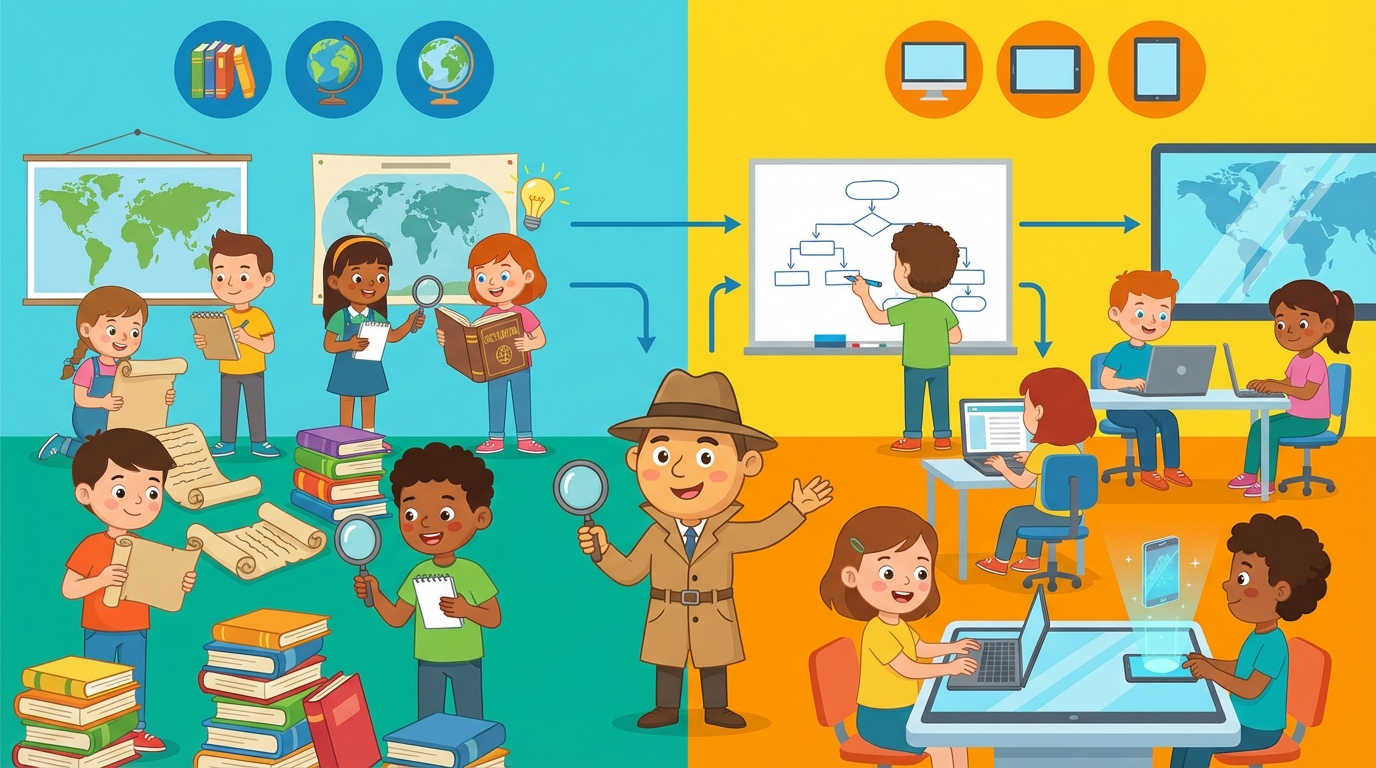
To write a great explanatory text, you need to be a fact detective 🕵️♀️. You cannot explain something if you don't know the truth about it!
These are sources you can touch. They are often found in your school library and are usually very reliable because editors check them.
- Encyclopedias: Great for definitions and summaries.
- Non-fiction Books: Deep dives into specific topics like 'Space' or 'Sharks'.
- Newspapers: Best for recent events.
The internet is fast, but you must be careful! Anyone can post online, so look for trustworthy domains.
- .edu (Education): Schools and universities.
- .gov (Government): Official agencies (like NASA).
- .org (Organization): Non-profits (usually reliable, but check the author!).
⚠️ The 'Reliability' Check
Before using a website, ask yourself: Is the author an expert? Is the date recent? Avoid personal blogs or wikis that anyone can edit!
Key Facts
3 Navigating the Text: Titles, Subtitles, and Indices
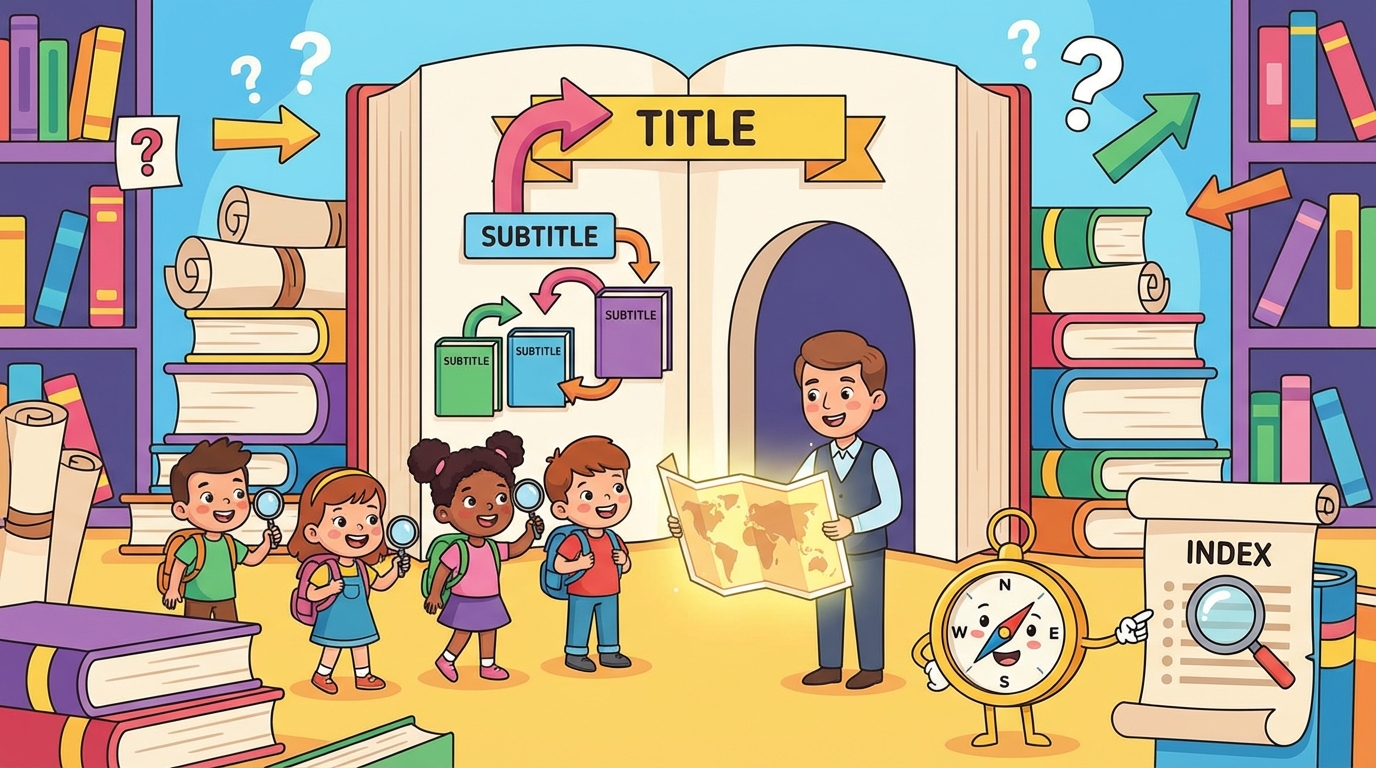
Imagine walking into a giant library without a map. You would be lost! 🗺️ Explanatory texts have their own built-in maps to help you find information quickly without reading every single word.
The title is the main headline. It tells you exactly what the whole text is about. It is usually big, bold, and at the very top.
Example: 'The Solar System'
Subtitles break the big topic into smaller, manageable chunks. They act like signs on a road, telling you what the next paragraph is about.
Example: 'The Inner Planets', 'Gas Giants'
Found at the back of a book, the index lists specific keywords alphabetically with page numbers. It is the fastest way to find a specific detail!
Quick Comparison Guide
| Feature | Where is it? | What does it do? |
|---|---|---|
| Title | Top of the page/cover | Introduces the main topic |
| Subtitle | Above paragraphs | Organizes sections |
| Index | Back of the book | Locates specific keywords |
Key Facts
4 The Structure: Introduction, Development, and Conclusion
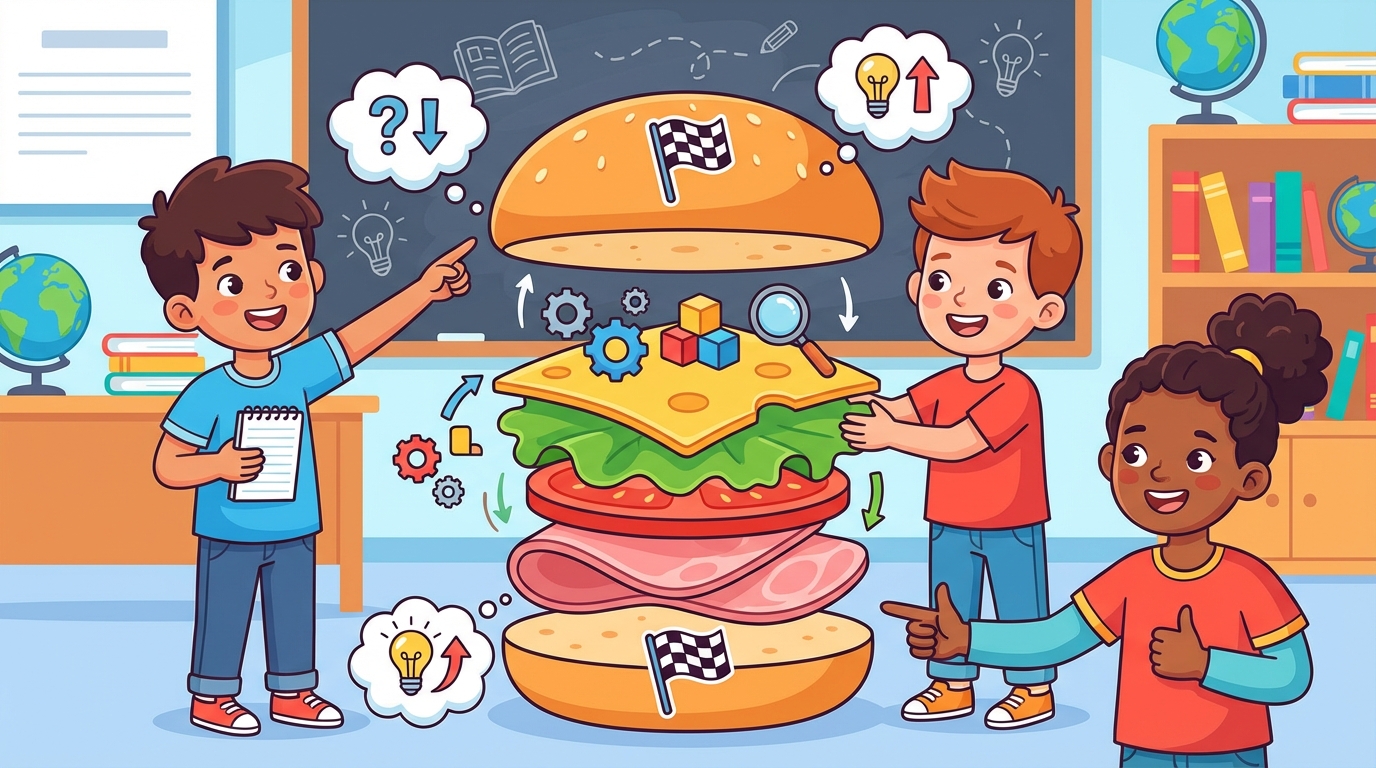
Just like a sandwich needs bread and filling to be complete, an explanatory text needs three specific parts to make sense! 🥪 Let's look at how to build one.
This is the opening. It presents the topic and defines what will be explained. Its job is to capture the reader's interest.
Tip: Start with a question or a surprising fact!
This is the body of the text (the meat!). It explains the topic in detail using facts, examples, causes, and effects. It usually has several paragraphs.
The closing section. It summarizes the main ideas or explains the significance of the topic. It wraps everything up neatly.
🔍 Real-Life Example: Photosynthesis
| Part | What it looks like |
|---|---|
| Intro | 'Have you ever wondered how plants eat without mouths? They use a process called photosynthesis.' |
| Development | 'Plants take in water through roots and carbon dioxide from the air. Using sunlight, they turn these into sugar (food) and oxygen.' |
| Conclusion | 'In short, photosynthesis allows plants to grow and gives us the oxygen we need to breathe.' |
Key Facts
5 Objective Language and Third Person
🕵️ Just the Facts!
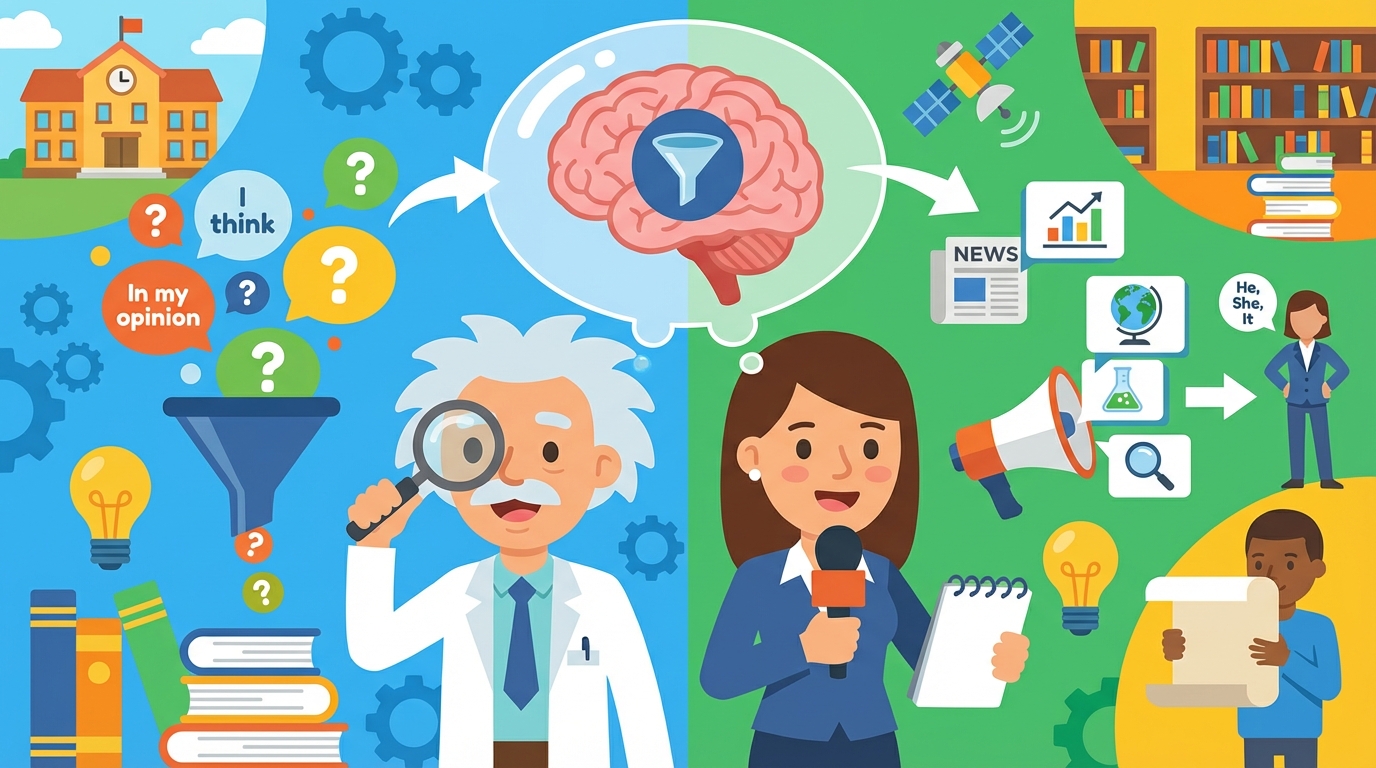
When writing explanatory texts, you need to sound like a scientist or a news reporter. This means using objective language.
Objective language relies on facts, data, and evidence rather than personal feelings or opinions. We avoid saying things like 'I feel,' 'I think,' or 'It is beautiful.' Instead, we describe things exactly as they are.
🚫 Subjective (Opinion)
Uses First Person ('I', 'We') or Second Person ('You'). Focuses on feelings.
- ❌ 'I think sharks are scary.'
- ❌ 'You will love this chemical reaction.'
- ❌ 'We believe space is cool.'
✅ Objective (Fact)
Uses Third Person ('It', 'They', 'The object'). Focuses on information.
- ✔️ 'Many shark species are predators.'
- ✔️ 'This chemical reaction creates heat.'
- ✔️ 'Space contains many galaxies.'
💡 The 'Third Person' Rule
To keep things objective, we write in the third person. We talk about the topic (the water, the history, the animal), not about ourselves (the writer) or the reader.
Key Facts
6 Tools for Explaining: Definitions and Examples
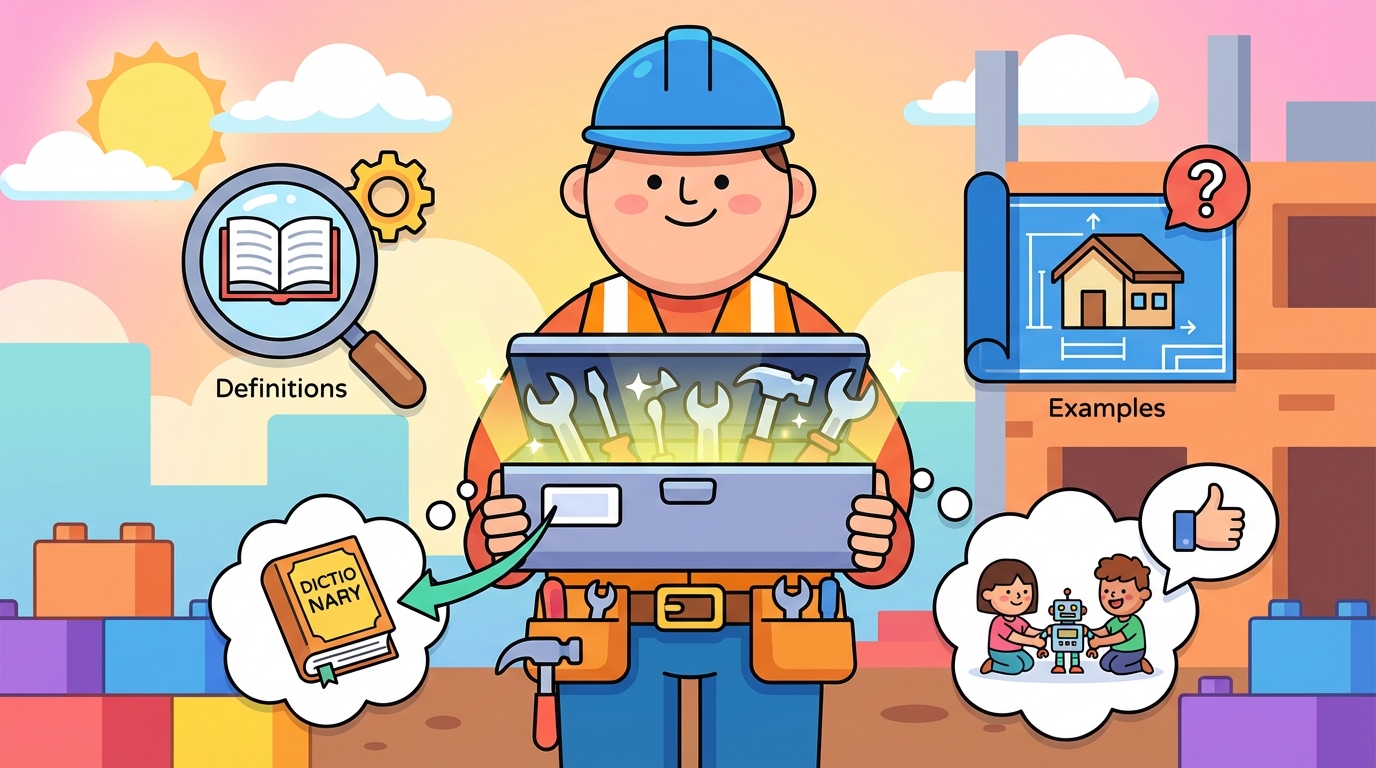
When we write explanatory texts, we are like builders 👷. We need a toolkit to make our ideas clear and strong. The two most useful tools in your kit are Definitions and Examples.
A definition explains exactly what a concept is. It answers the question: 'What is this?'
is, means, consists of, is defined as.
Example: 'Photosynthesis is the process by which plants make their own food.'
An example makes a difficult idea easier to imagine by showing a specific case. It answers: 'Can you show me?'
for example, such as, like, for instance.
Example: 'Citrus fruits, such as lemons and oranges, are rich in Vitamin C.'
How they work together 🤝
| Step | Action | Result |
|---|---|---|
| 1. Define | Tell the reader what the word means. | 🧠 Brain understands the logic. |
| 2. Exemplify | Give a real-life instance. | 👀 Eyes can 'see' the idea. |
Key Facts
7 Linking Ideas: Connectors and Transition Words
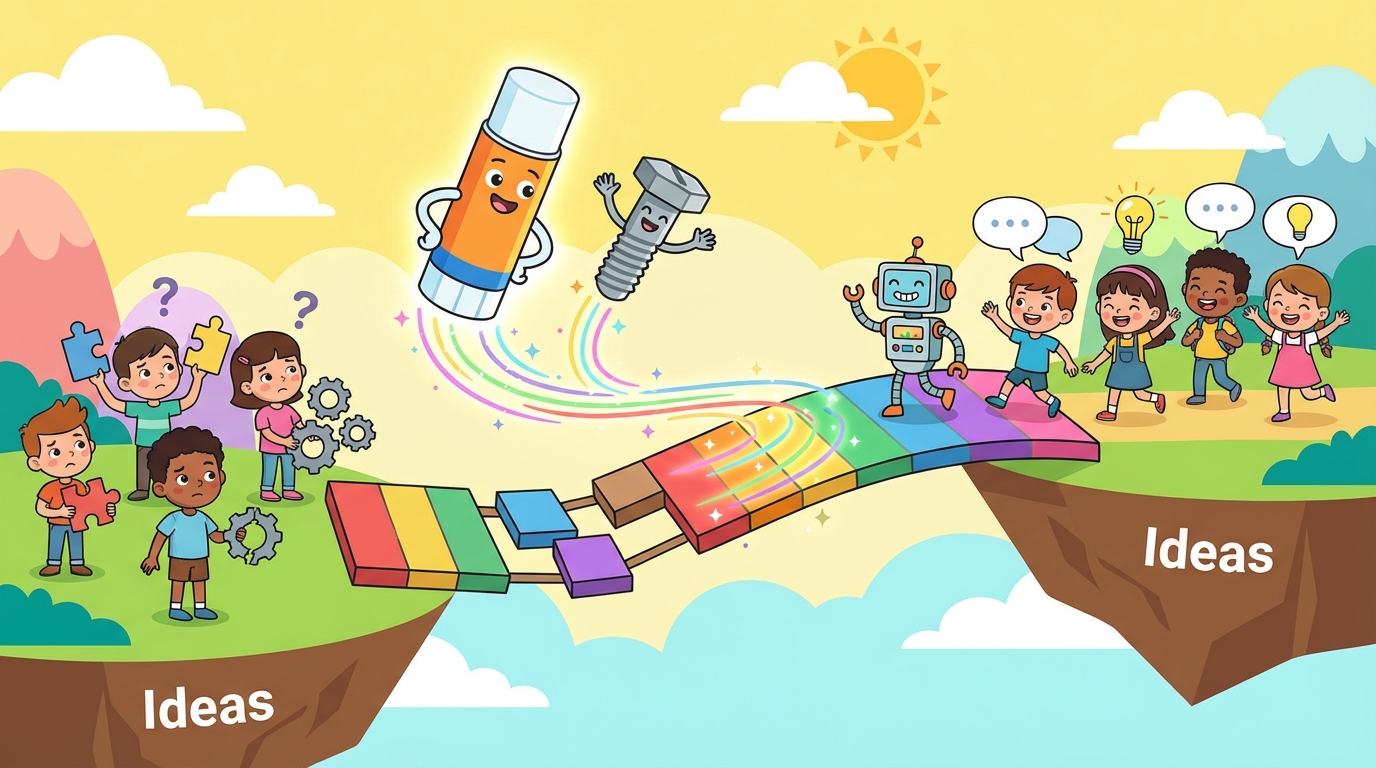
Imagine trying to build a bridge without bolts or glue. It would fall apart! 🏗️ Connectors (or transition words) are the 'glue' that holds your explanatory text together. They help the reader move smoothly from one idea to the next.
🛠️ The Connector Toolbox
In explanatory texts, we use specific words to show cause, time, or examples. Here are the most useful ones:
| Type | Function | Examples |
|---|---|---|
| Causal | Explain why something happens | Because, since, due to, as a result, therefore |
| Temporal | Show the order of events | First, then, next, finally, meanwhile |
| Additive | Add more information | Also, in addition, furthermore, and |
| Contrast | Show a difference | However, but, on the other hand, although |
It rains. Plants grow. The soil gets wet. Farmers are happy.
When it rains, the soil gets wet. As a result, plants grow and farmers are happy.
See the difference? The second version explains the logic behind the events!
Key Facts
8 Graphic Resources: Charts, Diagrams, and Captions
👀 Visual Superpowers!
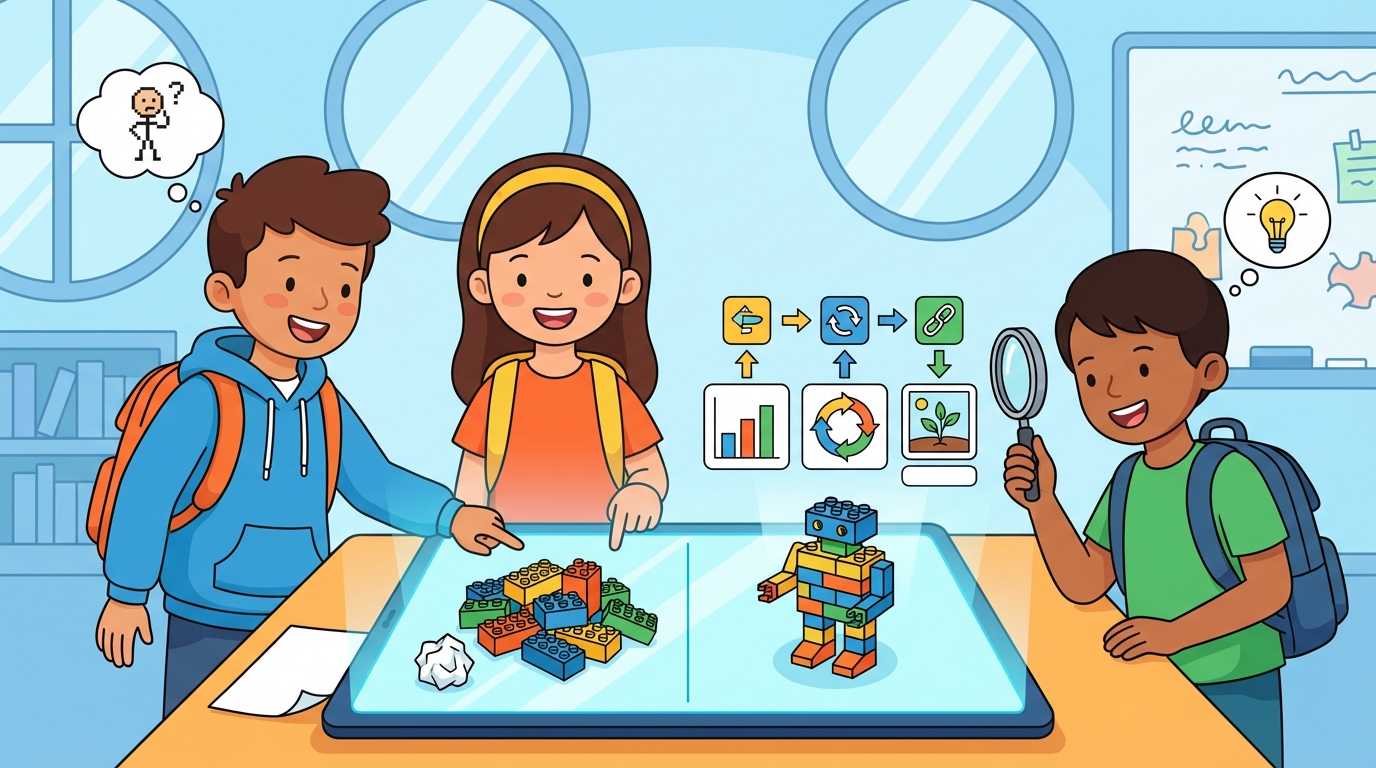
Have you ever tried to assemble a LEGO set without the manual? It's hard! Explanatory texts rely on graphic resources to make complex information easier to understand. They work together with the text to tell the whole story.
Charts organize a lot of data (numbers and facts) quickly. Instead of reading a long paragraph about temperatures, a chart lets you compare them instantly.
| Season | Avg Temp |
|---|---|
| Summer | 85°F ☀️ |
| Winter | 32°F ❄️ |
A diagram is a drawing that shows the parts of something or how a process works. They often use labels and arrows.
- 🌱 Cutaways: Show the inside of an object (like layers of the Earth).
- ➡️ Flowcharts: Show steps in a process (like the Water Cycle).
Never skip the small text under a picture! A caption explains what is happening in a photograph or illustration. It connects the image to the main text.
Key Facts
9 Using Paraphrasing to Explain
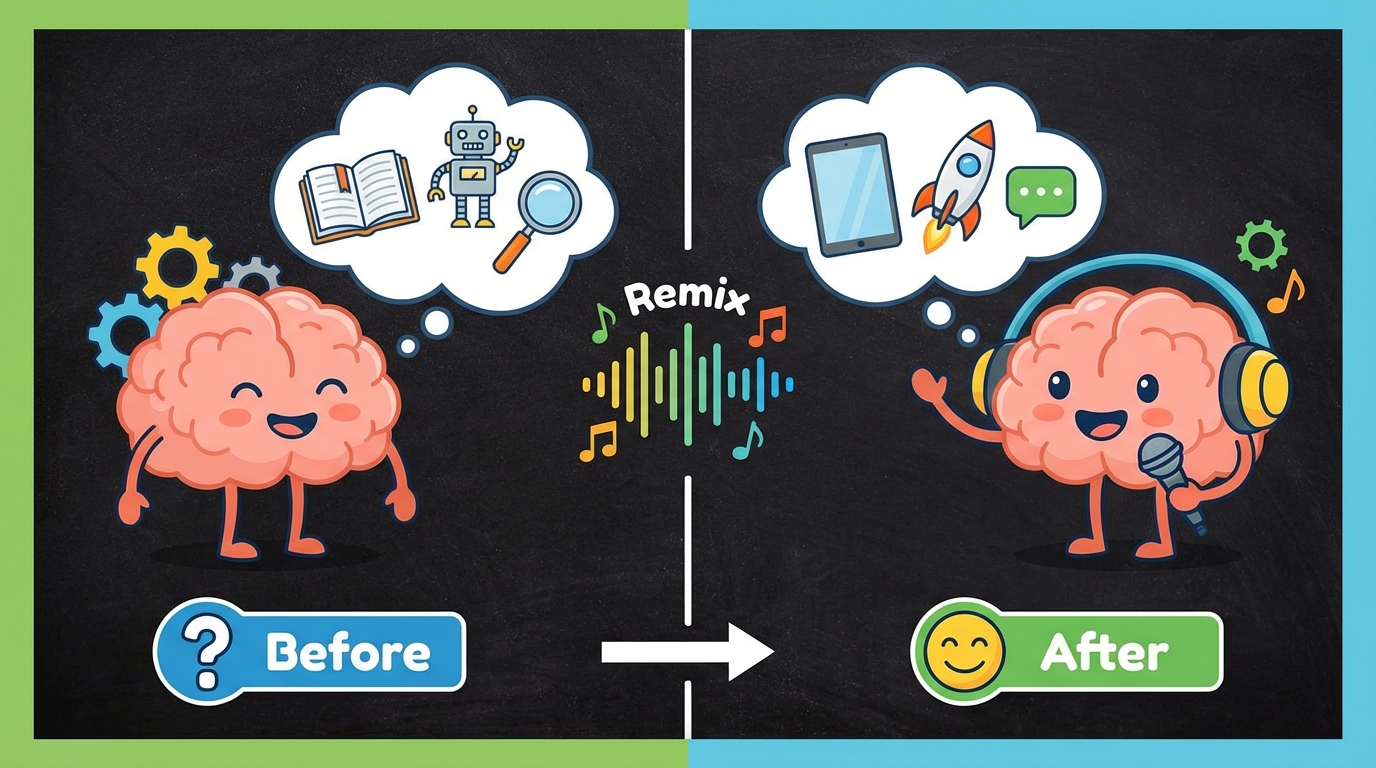
🤔 What is Paraphrasing?
Paraphrasing means putting someone else's ideas into your own words. It is like remixing a song: the melody (the main idea) stays the same, but the style (the words and structure) is unique to you!
Original Text: 'The feline engaged in a rapid pursuit of the small rodent across the domicile's flooring.'
Too Hard! This sounds like a robot and is hard to understand.
Paraphrased: 'The cat chased the mouse quickly across the floor of the house.'
Just Right! The meaning is the same, but the words are simpler and clearer.
🛠️ How to Paraphrase in 3 Steps
| Step | Action | Why? |
|---|---|---|
| 1. Read & Hide 🙈 | Read the original text, then look away or cover it. | To make sure you understand the idea, not just the words. |
| 2. Write & Talk 🗣️ | Explain the idea out loud or write it down as if talking to a friend. | This forces you to use your natural vocabulary. |
| 3. Check & Polish ✨ | Compare your version with the original. | Did you keep the meaning? Did you change the words? |
Remember: Changing just one or two words is not paraphrasing. You must change the structure!
Key Facts
10 Citing Sources and Avoiding Plagiarism
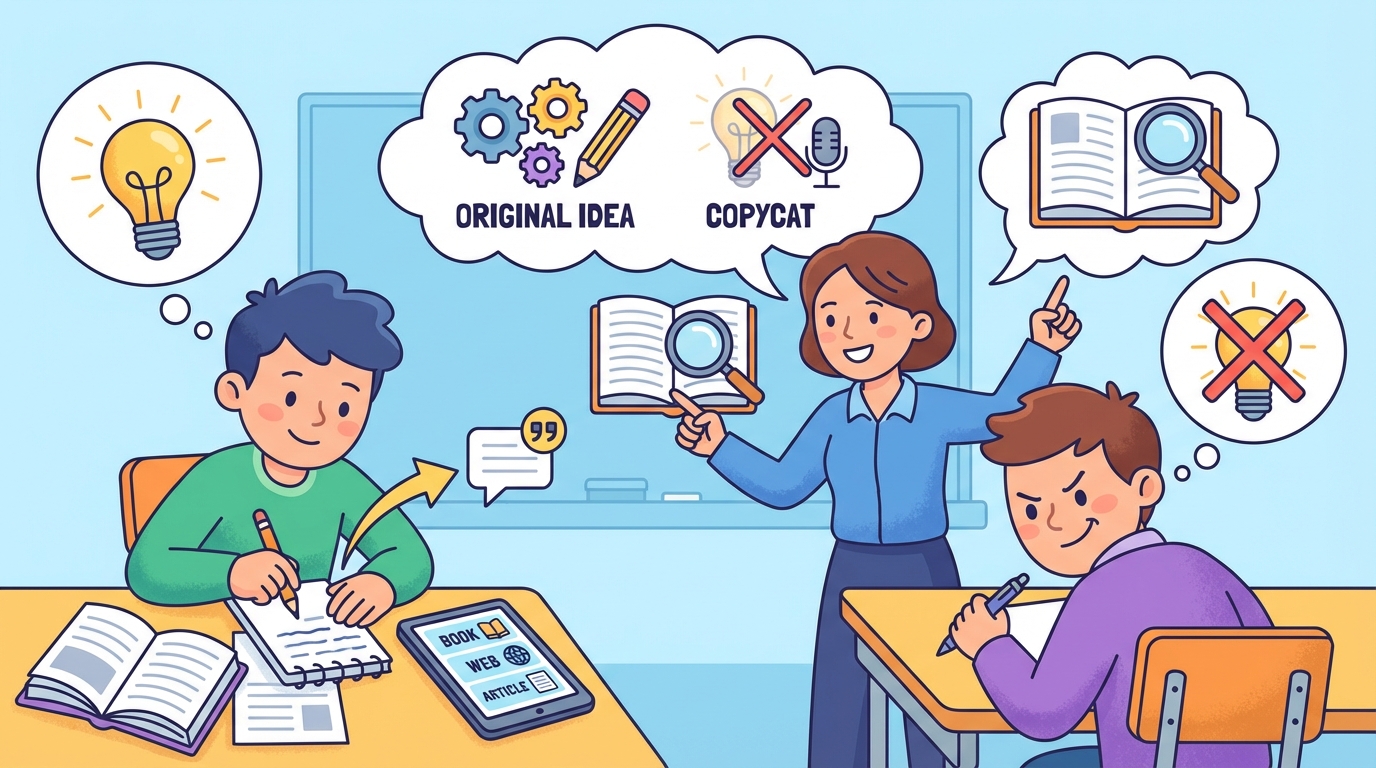
🚫 Don't be a Copycat!
Imagine you wrote a hit song, but someone else sang it and told everyone they wrote it. That wouldn't be fair, right? Plagiarism is exactly that—using someone else's words or ideas and pretending they are yours.
- Direct quotes (exact words).
- Paraphrased ideas (rewritten in your own words).
- Images, charts, and data you didn't create.
Always give credit! You can do this by using Quotation Marks for exact words or by Paraphrasing (explaining the idea in your own voice) and listing the author.
Example: The Difference
| Original Text 📖 | Plagiarism ❌ | Good Paraphrasing ✅ |
|---|---|---|
| 'Honeybees communicate by dancing.' | Honeybees communicate by dancing. (No credit given) | According to scientists, bees use dance moves to talk to each other. |
Key Facts
11 Key Vocabulary
Master these important terms for your exam:
| Term | Definition |
|---|---|
|
Explanatory Text
Texto Explicativo |
A type of non-fiction writing that informs the reader or explains a topic.
Un tipo de escritura de no ficción que informa al lector o explica un tema. |
|
Main Idea
Idea Principal |
The most important point the author makes about the topic.
El punto más importante que el autor presenta sobre el tema. |
|
Supporting Details
Detalles de Apoyo |
Facts, examples, or descriptions that back up the main idea.
Hechos, ejemplos o descripciones que respaldan la idea principal. |
|
Heading
Título |
A title at the head of a page or section of a book.
Un título en la cabecera de una página o sección de un libro. |
|
Subheading
Subtítulo |
A smaller title that breaks the text into specific sections.
Un título más pequeño que divide el texto en secciones específicas. |
|
Caption
Pie de foto |
Words underneath a picture or photograph that explain what it is.
Palabras debajo de una imagen o fotografía que explican qué es. |
|
Diagram
Diagrama |
A drawing that shows the parts of something or how a process works.
Un dibujo que muestra las partes de algo o cómo funciona un proceso. |
|
Glossary
Glosario |
An alphabetical list of difficult words and their meanings found at the end of a text.
Una lista alfabética de palabras difíciles y sus significados que se encuentra al final de un texto. |
|
Chronological Order
Orden Cronológico |
Arranging events in the order in which they happened in time.
Organizar los eventos en el orden en que ocurrieron en el tiempo. |
|
Cause and Effect
Causa y Efecto |
A text structure that explains why something happened and what the result was.
Una estructura de texto que explica por qué sucedió algo y cuál fue el resultado. |
|
Compare and Contrast
Comparar y Contrastar |
Analyzing how two or more things are similar and how they are different.
Analizar cómo dos o más cosas son similares y cómo son diferentes. |
|
Fact
Hecho |
A statement that can be proven to be true.
Una afirmación que se puede probar que es verdadera. |
|
Objective Tone
Tono Objetivo |
Writing based on facts and evidence rather than personal feelings or opinions.
Escritura basada en hechos y evidencia en lugar de sentimientos u opiniones personales. |
|
Index
Índice Alfabético |
An alphabetical list of topics with page numbers, usually found at the back of a book.
Una lista alfabética de temas con números de página, generalmente ubicada en la parte posterior de un libro. |
|
Graphic Feature
Elemento Gráfico |
Visuals like charts, maps, or graphs that help the reader understand the text.
Elementos visuales como tablas, mapas o gráficos que ayudan al lector a entender el texto. |
Time to Practice!
There are 7 questions waiting for you. Questions are shuffled each attempt.
Take the Quiz